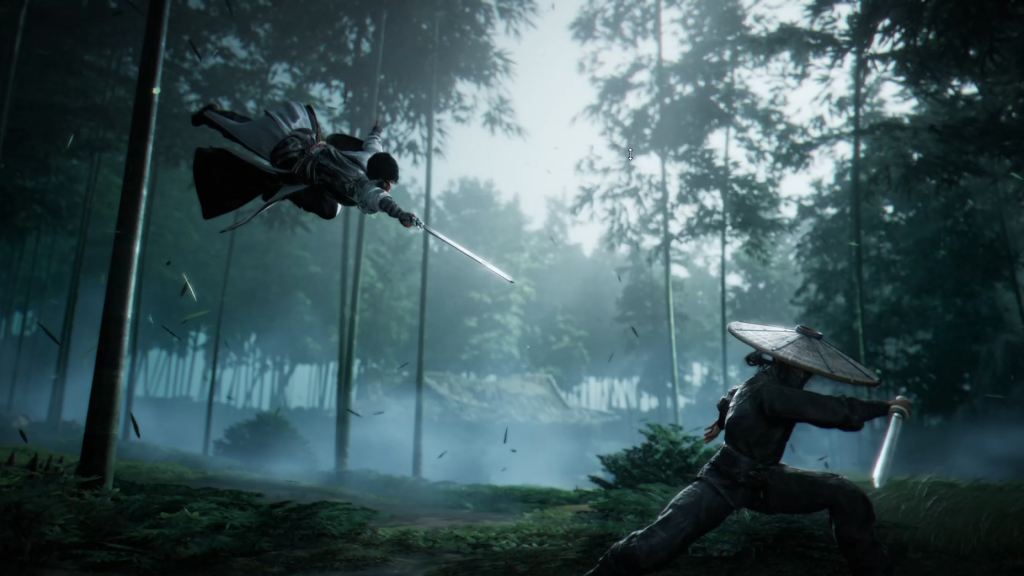
Before diving into builds, here’s a quick summary of how PvP works in Where Winds Meet (so you know context for builds):
PvP becomes available once you unlock “Wandering Paths” — that typically requires reaching a certain level.
You have multiple PvP modes: 1v1 Arena duels; “Perception Forest” (a shrinking‑arena / battle‑royale style); and open‑world “Spar” (challenge another player directly).
PvP emphasizes burst damage, mobility/spacing, crowd control (CC), and the ability to strike first or out‑maneuver opponents. Builds that combine good weapon-arts, Mystic Arts, mobility and CC tend to perform best.
With that in mind — here are build‑recipes optimized for common PvP roles:
Contents
- Build A: Silent Petal Assassin — Stealth & Burst Dueling
- Build B: Storm‑Fang Duelist — Burst / Heavy DPS / Precision
- Build C: Root‑Shield Iron Guard — Tank / Crowd Control / Endurance
- Build D: Silk‑wind Kiter / Ranged‑Control Specialist — CC, Range, and Tactical Play
- Build E: Balanced Vanguard / Jack-of-All-Trades — Versatile PvP Survivor
- How to Pick the Right PvP Build — Ask Yourself These Questions
- Tips & Meta‑Aware Advice for PvP Success
Build A: Silent Petal Assassin — Stealth & Burst Dueling
When to use: 1v1 arena, ambush fights, skirmishes where surprise + mobility wins
Core concept: Hit fast, avoid hits — strike from shadows, dodge or vanish before counterattack
Weapon / Martial‑Art Setup
Dual‑blades or another fast/light sword style (these give high mobility, quick combos, and fast recovery)
Inner Ways (passive bonuses)
Passives that boost stamina/energy regen or reduce dodge cost — to ensure you can dodge or sprint often
Passives enhancing critical hit / first‑strike damage or burst damage (for one‑hit punishments or high burst on opening strike)
If possible, passives that increase mobility (movement speed, dodge distance) or reduce stamina use when dodging
Mystic Arts (active skills)
Mobility / dash / teleport‑type Mystics: used to close in or escape quickly
High‑damage or burst‑damage arts: for quick kills before enemy reacts
Stun / CC or immobilization arts: to lock enemy down for a finishing blow
Utility or stealth‑oriented arts (if available): for slipping away or confusing opponent
Strategy Tips
Avoid prolonged fights: strike, burst down, then retreat or dodge out
Use spacing, environment, and mobility to keep opponent off-balance
Observe enemy patterns — assassins rely on reading and punishing mistakes, not out‑lasting
Build B: Storm‑Fang Duelist — Burst / Heavy DPS / Precision
When to use: 1v1 duels vs heavy builds, quick boss‑style fights, where you need to burst down a target fast
Core concept: Open strong, break defenses, and finish fast — minimizing enemy’s chance to counter
Weapon / Martial‑Art Setup
Sword, spear or weapon with good damage / shield‑breaking / reach potential (depending on your preferred style)
Inner Ways
Passives that boost critical damage, burst damage, or do more damage on heavy/charged attacks
Stamina or energy‑management passives (to allow charged/heavy attacks + Mystic Arts without running out of stamina)
Maybe passives that improve damage or critical probability when attacking from behind or after CC/immobilization — to allow burst setups
Mystic Arts
Burst or heavy‑damage skills / arts to open combat (ideally with armor‑penetration or high stagger)
Defence‑breaking or guard‑break arts/skills — to bypass shields or blocking-heavy builds
Mobility or repositioning art — to close or escape if burst fails
Possibly a skill for cooldown reduction / quick follow-up (if allowed) to chain bursts
Strategy Tips
Aim to open with burst/guard-break → follow-up with heavy attacks → finish quickly
Use guard‑break or stagger skills to nullify enemy defenses early
If attack fails, avoid overcommitting — reposition or escape rather than trading blows
Build C: Root‑Shield Iron Guard — Tank / Crowd Control / Endurance
When to use: 3v3 team fights, open‑world battles, chaotic fights vs multiple foes, or when you expect sustained combat
Core concept: Absorb damage, control the field with CC / AoE, protect allies or outlast opponents
Weapon / Martial‑Art Setup
Heavy weapons: spear, heavy sword, staff, polearm — weapons that offer reach, knockback, and crowd‑control potential
Inner Ways
Passives that increase max HP, defense, damage resistance, stamina/energy efficiency
Endurance or sustain passives: reduce stamina drain, allow heavy swings or CC without exhausting quickly
Regen or recovery passives: to heal, restore stamina or energy mid fight or after big hits
Mystic Arts
AoE or wide‑range attack arts — to hit multiple enemies, manage crowds, or control space around you
CC / crowd‑control arts: stun, root, knock‑down, or slow enemies — ideal for area control or to protect teammates
Defensive or self‑protection arts — shield skills, damage reduction, or temporary buffs to survive burst damage
Utility arts (evasion, reposition, retreat) — for when fights turn messy and retreat is wiser than holding ground
Strategy Tips
Focus on holding chokepoints or controlling area of conflict
Initiate fights when enemies are grouped — use AoE or CC to maximize crowd damage
Manage resources — heavy weapons drain stamina; avoid spamming big moves without regen or recovery
Build D: Silk‑wind Kiter / Ranged‑Control Specialist — CC, Range, and Tactical Play
When to use: Battle‑royales (e.g. “Perception Forest”), ranged skirmishes, team fights where positioning and control matter more than raw melee damage
Core concept: Keep distance, use ranged or CC weapons/arts, bait enemies, control space — fight from advantage instead of head‑on
Weapon / Martial‑Art Setup
Ranged or control‑oriented weapons (fans, umbrella‑type weapons, or any weapon with ranged/CC potential)
Hybrid setups mixing ranged + melee/back‑up weapon, so you’re not helpless if enemies close distance
Inner Ways
Passives boosting ranged/magic damage, critical/ranged hit chance, mobility or cooldown reduction
Passives improving energy/stamina regen (to use ranged/CC arts often)
Utility passives: improving stealth, evasion, or resistances to counter close‑range bursts
Mystic Arts
Ranged CC arts: stun, slow, root, immobilize — to control enemy movement
Utility arts: crowd-control, traps, ranged waves, or debuffs — keep pressure without committing
Mobility/escape arts — to reposition if enemies flank or rush you
If available — buffs or debuff arts: reduce enemy defense or boost yours, to shift advantage
Strategy Tips
Kiting is key: keep moving, avoid close-range melee, use terrain and range to your advantage
Use CC and ranged tools to fragment enemy group before they get close
Be mindful of resources — ranged/CC arts often cost energy; conserve when possible
Build E: Balanced Vanguard / Jack-of-All-Trades — Versatile PvP Survivor
When to use: Mixed PvP modes, unpredictable fights, solo arena where you don’t know what opponent you’ll face
Core concept: Balanced stats and skills; adapt on the fly; survive, outplay, and exploit enemy mistakes
Weapon / Martial‑Art Setup
Flexible weapon pairings: maybe a mid-range sword + ranged/CC weapon (fan/umbrella), or a spear + secondary light blade — gives both melee power and ranged/utility backup
Inner Ways
Moderately balanced passives: mix of offense, defense, regen, and resource management — none extreme, but none weak
Utility‑oriented passives — energy/stamina regen, cooldown reduction, or buffs aiding adaptability
Mystic Arts
One mobility or escape art (for repositioning or unexpected danger)
One burst or damage art (for finishing fights or punishing mistakes)
One CC / control art (to disrupt enemy combos or crowd attackers)
One utility / buff art (to restore resources, buff defense or regen, or provide support if in team fights)
Strategy Tips
Observe your opponent before committing. Use utility or buff arts to prepare
Adapt between ranged/CC and melee depending on how fight unfolds
Use mobility and escape to choose fight terms — engage when advantage, retreat when danger
How to Pick the Right PvP Build — Ask Yourself These Questions
What kind of fights do I expect?
1v1 duels → Assassin, Duelist, Balanced Vanguard
Crowd fights / group PvP → Tank, Ranged‑Control, Balanced
Do I prefer burst or attrition?
Burst → Duelist, Assassin
Attrition / sustain → Tank, Balanced
Do I rely on melee or ranged/CC skills?
Melee-focused → Duelist, Tank
Range/CC-focused → Ranged‑Control, Balanced
How comfortable am I with timing, combos, and mobility?
If high: Assassin or Duelist (fast, high-skill)
If not: Tank or Balanced (more forgiving)
Am I playing solo, or with teammates?
Solo → Assassin, Duelist, Balanced
Team / group → Tank, Ranged‑Control, Balanced
Tips & Meta‑Aware Advice for PvP Success
Mobility and unpredictability are meta. Sticking to rigid combos or slow heavy attacks often gets punished. Dodge‑cancel, reposition, and read opponent’s rhythm.
Weapon‑swap combos and mixing attacks help break enemy rhythm. Builds that mix ranged and melee or combine quick weapons with heavy ones have an edge.
CC and crowd‑control skills often win fights more reliably than raw damage. Stunning, rooting, or interrupting skill usage often yields opportunity for burst or escape.
Know PvP mode rules. For example, in 1v1 arena you face a single opponent; in battle‑royale/Perception modes, looting and item timing matter as much as combat skills.
Adaptation is key. Many builds are flexible — you might need to shift from melee to ranged quickly depending on enemy. Balanced builds give room for adaptation.